Top AI Avatar Tools for Multilingual Voiceovers
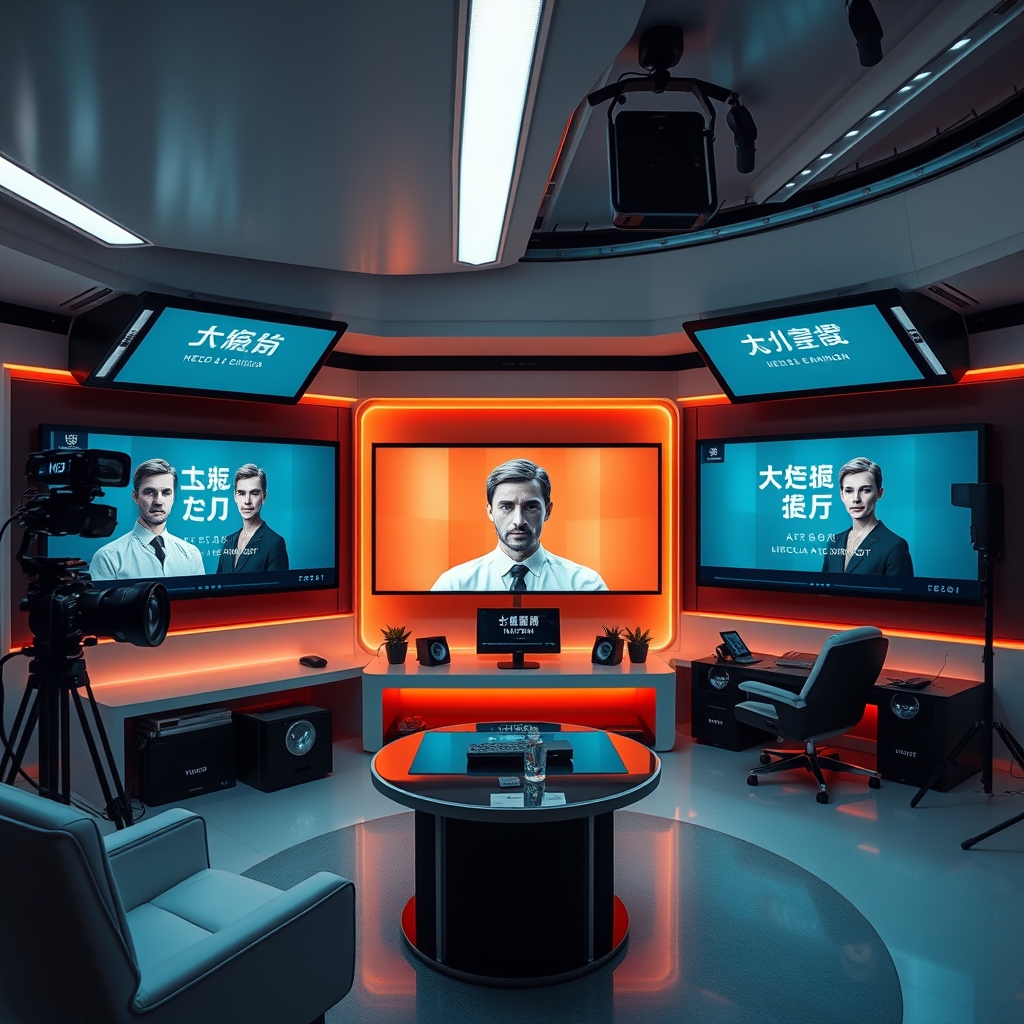
Producing video content for global audiences used to mean hiring local voice actors, booking recording studios, and spending weeks re-editing timeline tracks for every target market. Synthetic media platforms have reshaped that process completely. Modern AI avatars can present complex topics across dozens of languages while speaking in natural, localized voices with precise visual synchronization. Many global organizations now rely on top ai avatar tools for multilingual voiceovers.
Evaluating these platforms requires looking beyond simple voice quality to evaluate lip synchronization, tonal accuracy, and local accent variations. Selecting the right software depends on your specific workflow needs, whether you are scaling internal corporate training, localizing marketing campaigns, or building multilingual customer support videos.
Key Factors When Choosing AI Avatars for Global Audiences
Not all synthetic presenter platforms handle multi-language workflows with the same level of fidelity. When testing software for international deployment, evaluate these core capabilities before committing to an enterprise tier.
Phonetic Accuracy and Lip-Sync Alignment
Translating text into another language changes visual cadence. A sentence that takes six seconds in English might take nine seconds in German or four seconds in Japanese. Advanced synthetic presenter tools modify the avatar's visual facial geometry (visemes) based on the target language's phonetic structure, preventing visual mismatch between spoken audio and lip movements.
Voice Cloning and Brand Consistency
Maintaining a unified brand voice across borders requires vocal continuity. Modern speech synthesis tools allow brands to clone an executive's or spokesperson's natural voice and generate audio in secondary languages while retaining their original tone, timbre, and vocal identity.
Language Support and Dialect Variations
Broad language counts can be misleading. A platform claiming support for 100 languages may only offer neutral synthetic voices for minor languages. Look for explicit support for regional dialects, such as Latin American Spanish versus Castilian Spanish, or Brazilian Portuguese versus European Portuguese. Proper localization relies on adhering to established internationalization standards, such as those published by the World Wide Web Consortium (W3C), to ensure language tagging and cultural formatting remain consistent.
Deep-Dive into Top AI Avatar Tools for Multilingual Voiceovers
Content creators and enterprise training divisions rely on top ai avatar tools for multilingual voiceovers. to cut localization costs by up to 80% while keeping video messaging consistent across regions.
1. HeyGen: Best for Automated Video Translation and Voice Preservation
HeyGen is widely recognized among top ai avatar tools for multilingual voiceovers. for its unique ability to translate pre-recorded video while matching the original speaker's pitch and timbre. Instead of requiring users to input text manually for every language, HeyGen accepts source video files, extracts the speech, translates the transcript, generates localized voiceovers, and re-animates the presenter's lips to match the new audio track.
- Language Count: 40+ languages with automatic translation; 300+ text-to-speech voices.
- Key Strengths: Pitch-matched vocal cloning, 4K render options, natural micro-gestures, and multi-speaker video translation.
- Best For: Marketing teams and video producers localizing existing footage without starting from raw scripts.
2. Synthesia: Best for Enterprise Scalability and Interactive Avatars
Another essential entry among synthetic media platforms is Synthesia, which offers enterprise-grade governance alongside extensive regional voice controls. Synthesia provides over 160 stock digital presenters alongside deep voice editing tools that let creators adjust inflection, pause length, and pronunciation on a word-by-word basis.
- Language Count: 140+ languages and regional accents.
- Key Strengths: SOC 2 Type II security compliance, custom brand avatars, expressive micro-expressions, and robust API integration.
- Best For: Large corporations building scaled employee onboarding programs and compliance training across international offices.
3. Elai.io: Best for E-Learning and Multi-Language Article-to-Video Pipelines
Elai.io focuses on turning text-heavy documentation into video content quickly. Its strength lies in automated workflow templates that convert blog posts, PDFs, or internal knowledge bases directly into translated video scripts featuring digital avatars.
- Language Count: 75+ languages with automated script translation.
- Key Strengths: URL-to-video builder, interactive quiz overlays for LMS tools, and custom digital twin creation via mobile uploads.
- Best For: L&D specialists converting technical documentation into multi-language educational video modules.
4. Hour One: Best for High-Volume Corporate Communications
Hour One structures video creation around a template-first framework designed for speed. Users assign scripts to specific avatar roles, select target languages, and render batch updates across entire libraries simultaneously.
- Language Count: 100+ languages and dialect variations.
- Key Strengths: Automated script wizards, 3D realistic studio backgrounds, and seamless integration with corporate LMS systems.
- Best For: Human resources and internal communications teams delivering company-wide updates across global hubs.
5. DeepBrain AI: Best for Broadcast-Quality Digital Human Delivery
DeepBrain AI specializes in hyper-realistic avatars engineered for news broadcasts, financial reporting, and customer kiosk interactions. The platform uses deep neural models trained on real news anchors, providing exceptionally smooth natural movement during long-form speaking roles.
- Language Count: 80+ supported languages with native phoneme mapping.
- Key Strengths: Conversational AI integration, studio-grade video rendering, and custom physical avatar scanning.
- Best For: Media houses, financial institutions, and interactive service kiosks requiring photorealistic presenters.
6. Colossyan: Best for L&D Teams Needing In-Context Localization
Colossyan prioritizes workplace training video workflows. It offers side-by-side script editing, allowing instructional designers to draft English text on one side while tweaking Spanish, French, or Mandarin translations on the other.
- Language Count: 120+ languages with regional voice packs.
- Key Strengths: Multi-avatar dialogue scenes, automated auto-translation, and built-in SCORM export capabilities.
- Best For: Instructional designers creating scenario-based workplace simulations for international workforces.
Comparing the Leading Multilingual AI Avatar Platforms
Technical Challenges in Multilingual AI Voiceover Workflows
Localization teams face distinct technical hurdles when deploying top ai avatar tools for multilingual voiceovers.
Navigating Idiomatic Nuances and Text-to-Speech Pacing
Automated translation tools frequently struggle with idioms, humor, and technical jargon. Direct word-for-word machine translation often produces text that sounds unnatural when rendered through text-to-speech engines. Localizing scripts requires reviewing translated text before generating speech. To ensure correct language code usage and regional variations during development, developers should cross-reference standard language tags listed in official repositories such as the ISO 639 Language Codes.
Managing Lip Alignment across Differing Sentence Structures
Languages structure sentences differently. For example, English follows a Subject-Verb-Object format, whereas Japanese follows Subject-Object-Verb. When an avatar translates an English phrase into Japanese, the visual emphasis must shift to match the new word positions. Choosing platforms that automatically recalculate facial keyframes for each target language prevents visual dissonance.
Step-by-Step Implementation Strategy for Localization Teams
To build an efficient avatar-driven localization pipeline, follow this systematic process:
- Establish Master Scripts in the Source Language: Draft concise scripts, avoiding idioms or slang that complicate translation.
- Run Automated Script Translation: Use built-in platform translation tools or localized LLMs to convert text into target languages.
- Conduct Human-in-the-Loop Review: Have native speakers verify translated text for accuracy, tone, and cultural appropriateness.
- Set Phoneme and Pause Markers: Insert phonetic spellings or pause timing tags into the voiceover editor for tricky terms or brand names.
- Generate and Test Visual Alignment: Render short video drafts to ensure the avatar's facial movements match the translated audio rhythm.
- Export and Integrate: Download final renders in appropriate resolutions or export directly as SCORM packages for Learning Management Systems.
Choosing among top ai avatar tools for multilingual voiceovers. ultimately depends on whether your organization prioritizes automated text translation or studio-grade digital twin customization.
Related Articles
 AI
AI
Search Engines That Don’t Use AI: Top Clean Alternatives
August 28, 2026 AI
AI
Compare AI Avatar Platforms for Mobile Editing Guide)
August 28, 2026 AI
AI