
Technical Challenges and Ethical Issues in AI Music Generation
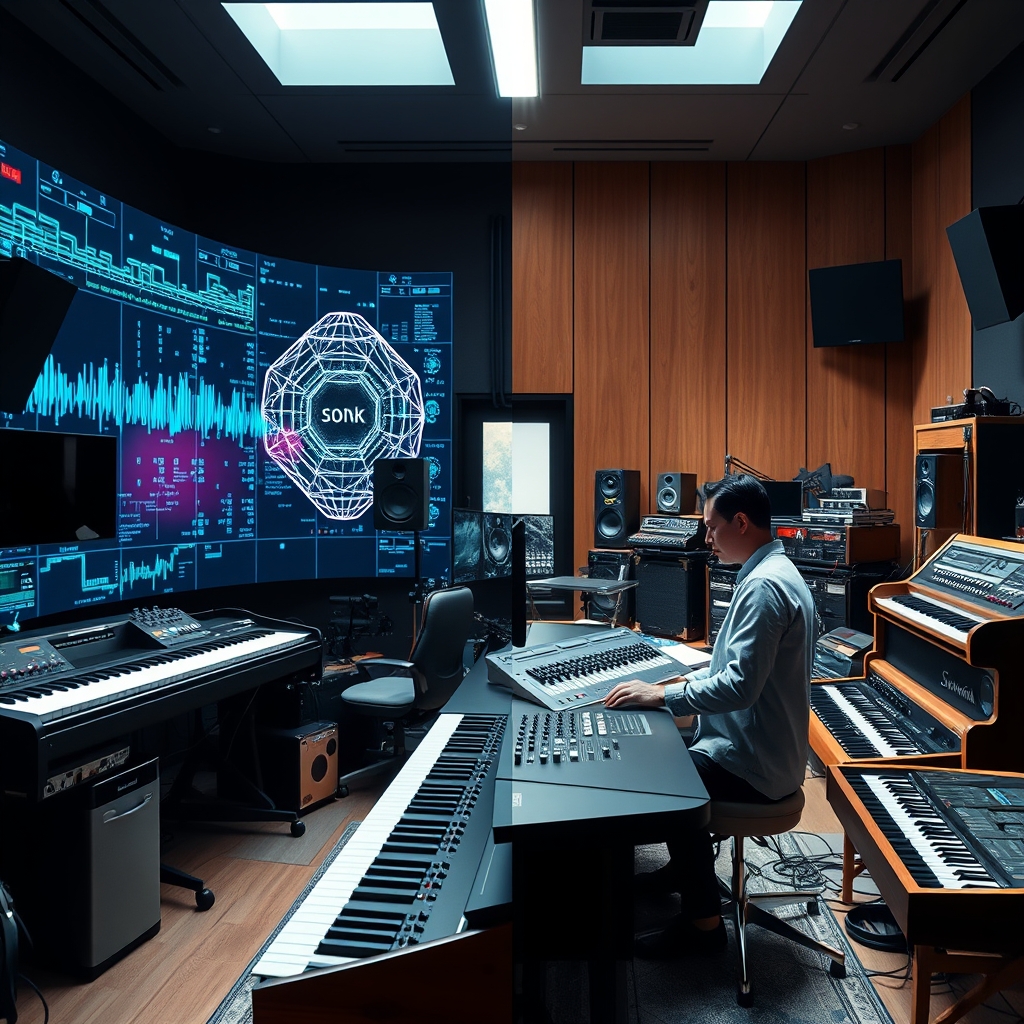
Generative audio models have moved from novelty tools into mainstream studio workflows. Platforms like Suno, Udio, and Stable Audio can transform simple text prompts into full songs within seconds.
Behind these impressive capabilities lies a complex web of engineering limitations and moral dilemmas. Understanding the technical challenges and ethical issues in ai music generation is critical for record labels, software developers, and independent creators working in today's digital audio ecosystem.
While generative algorithms create compelling snippets, building full-length compositions that meet professional industry standards while respecting human rights remains an uphill battle.
Technical Challenges and Ethical Issues in AI Music Generation
Synthesizing musical sound differs fundamentally from generating text or images. Music is an exact, time-dependent art form rooted in acoustic physics, human emotion, and cultural context.
When systems attempt to produce commercial-grade audio, engineering constraints immediately intersect with legal and creative boundaries. Engineers struggle to make models handle complex arrangements, while ethicists question where training data originates.
Addressing these technical challenges and ethical issues in ai music generation requires analyzing both the code driving diffusion models and the industry dynamics reshaping artist compensation.
Major Technical Bottlenecks in AI Audio Synthesis
Audio engineering with neural networks introduces unique mathematical roadblocks. Raw audio requires sampling rates of 44.1 kHz or 48 kHz, meaning a single second of stereo sound contains nearly 100,000 data points. Processing this density strains computing power and creates distinct audio flaws.
Temporal Structure and Long-Range Coherence
Most text-to-music systems excel at creating 30-second loops. However, sustaining structural logic over three to four minutes remains difficult.
Human music relies on intentional repetition, verse-chorus transitions, key changes, and thematic resolution. Generative systems often suffer from musical amnesia, drifting into unrelated keys or abandoning established melodic motifs mid-track.
Audio Quality, Frequency Bleed, and Phase Artifacts
While neural audio codecs like EnCodec and SoundStream have improved compression, generated outputs frequently exhibit high-frequency phase smearing and harsh metallic timbre.
Instruments tend to bleed into one another. A vocal track might share frequencies with a synthetic snare, making it almost impossible for mixing engineers to clean up the mix using standard equalization or dynamic processing.
Stem Control and Granular Arrangement
Professional producers need isolated tracks, known as stems, for drums, bass, vocals, and synths. Most generative systems output a flattened, single-file stereo audio track.
Separating these mixed outputs using post-processing stem-splitters introduces audio degradation. Until generative models natively output clean, multitrack MIDI and separate wave files, high-end studio integration will remain limited.
Ethical Dilemmas: Copyright and Unauthorized Training Data
The foundation of every generative model is its training dataset. To teach an algorithm how a jazz saxophone sounds, developers feed millions of copyrighted recordings into neural networks, usually without obtaining licenses or notifying rights holders.
Legal battles brought by major music groups against generative platforms highlight a core question: Does using copyrighted music to train a commercial AI model constitute fair use under law?
The U.S. Copyright Office continues to review policy regarding artificial intelligence and copyright, noting that non-human creations cannot receive traditional copyright protection. Record labels argue that web-scraping proprietary master recordings violates copyright laws and devalues human catalog catalogs.
Voice Cloning and the Right of Publicity
Voice cloning tools can replicate any singer's vocal timbre using a brief audio sample. This technology creates significant ethical risks regarding consent and identity theft.
Unauthorized AI vocals featuring synthetic replicas of popular artists have accumulated millions of streams on social media platforms. These tracks exploit an artist's brand without compensating them or securing vocal performance rights.
Legislative responses like the NO FAKES Act aim to establish federal protections for an individual's voice and visual likeness. Researchers studying technical challenges and ethical issues in ai music generation emphasize that identity protection is just as vital as protecting written compositions.
Market Saturation and Creator Compensation Models
Streaming services process over 100,000 original tracks daily. The influx of automated, mass-produced synthetic audio threatens to overwhelm these platforms with low-quality ambient background noise.
This saturation dilutes the royalty pool for human musicians. Streaming algorithms that reward volume over artistic depth risk funneling revenue away from performing artists toward tech companies operating synthetic content farms.
Solutions and Industry Frameworks for 2026
Resolving these conflicts requires technical ingenuity alongside transparent industry standards.
Ethically Sourced Training Sets
Several forward-thinking music tech organizations build models exclusively on licensed libraries, public domain audio, or opt-in artist catalogs. Platforms like Fairly Trained offer certifications for developers who prove their models were trained without infringing on creator rights.
Cryptographic Watermarking and Attribution
Organizations like the World Intellectual Property Organization advocate for mandatory audio watermarking. Imperceptible digital tags embedded inside AI audio help streaming services detect synthetic content, manage copyright attribution, and prevent fraudulent royalty claims.
Ethical Guidelines for Creators
- Use AI tools as compositional aids or idea generators rather than relying on fully automated track outputs.
- Verify that any generative software you use relies on ethically sourced or fully cleared training datasets.
- Avoid using vocal models that emulate real artists without explicit written licensing agreements.
- Apply manual mixing and stem separation techniques to correct technical audio artifacts.
Balancing technical challenges and ethical issues in ai music generation demands clear boundaries. Technology should empower human creativity rather than replace the artists who give music its cultural meaning.
Frequently Asked Questions
Can AI-generated music be copyrighted?
In most jurisdictions, fully AI-generated music lacking human creative input cannot be copyrighted. However, compositions where a human provides substantial creative modification, songwriting, or arrangement may qualify for limited copyright protection.
Why does AI music sound low quality or metallic?
AI music often suffers from phase artifacts and frequency bleed caused by neural audio compression. Compressing complex audio waveforms into smaller data formats degrades high-frequency detail and causes instruments to blend together.
How are streaming platforms handling synthetic music?
Streaming platforms use automated detection algorithms and digital watermarking to identify AI-generated content. Many services remove unauthorized vocal clones, flag spam uploads, and adjust royalty structures to protect functional human artistry.
Final Thoughts
Artificial intelligence offers incredible potential as a creative partner for composers, sound designers, and producers. However, scaling these tools requires solving serious engineering hurdles like spectral bleed and structural incoherence while establishing strict rules around data consent and voice protection.
By building ethically trained systems and robust attribution frameworks, the music industry can support technological progress without sacrificing the human spirit that makes art valuable.
Related Articles
 AI
AI
Top AI Avatar Tools for Multilingual Voiceovers
August 28, 2026 AI
AI
Search Engines That Don’t Use AI: Top Clean Alternatives
August 28, 2026 AI
AI