
Compare AI Avatar Platforms for Mobile Editing Guide)
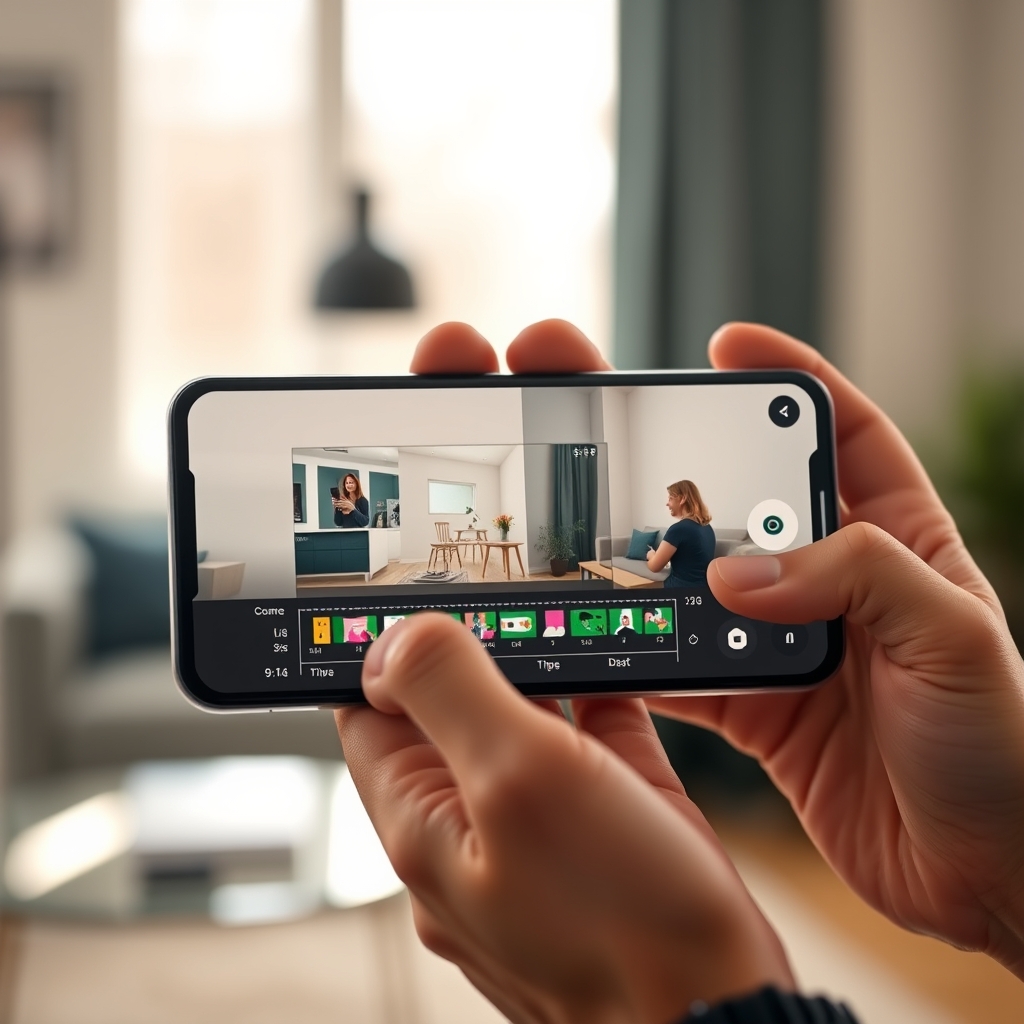
Generating avatar videos on a desktop with multi-monitor setups and dedicated GPUs is straightforward. Producing, editing, and publishing identical high-resolution synthetic presenters on an iPhone or Android device, however, introduces distinct challenges. Processing mobile-rendered AI avatars requires balancing battery consumption, cloud rendering latency, touch screen timelines, and precise lip-sync alignments. Understanding compare ai avatar platforms for mobile editing. is an essential factor when evaluating your options.
When video creators shift their entire production pipeline to a smartphone, the decision to compare ai avatar platforms for mobile editing becomes a matter of rendering efficiency and interface usability. This article breaks down the leading AI avatar tools optimized for mobile workflows, evaluating real-world performance, feature sets, export constraints, and platform trade-offs.
Key Criteria for Evaluating Mobile AI Avatar Tools
Not all digital presenter generators translate well to small screens. When creators compare ai avatar platforms for mobile editing, four technical performance factors determine whether a tool fits a mobile-first workflow:
- Cloud vs. On-Device Processing: High-fidelity video generation usually happens in the cloud. Dedicated apps offload heavy neural rendering to remote servers, preventing mobile processors from overheating or draining batteries during exports.
- Touch-Native Interface Design: Translating multi-track editing to a 6.1-inch or 6.7-inch display requires intuitive touch targets, gesture-based scrubbing, and simplified text-prompt entry. Understanding compare ai avatar platforms for mobile editing. is an essential factor when evaluating your options.
- Aspect Ratio Flexibility: Mobile creators generally target 9:16 vertical video for Instagram Reels, YouTube Shorts, and TikTok. Platforms must default to vertical compositions without cropping off avatar shoulders or warping lip movements.
- Voice Cloning & Script Integration: Typing long scripts on a glass keyboard is tedious. Superior mobile tools offer built-in audio-to-script transcription, voice-memo cloning, or seamless copy-pasting from external notes apps.
According to disclosure guidance from the Federal Trade Commission (FTC), transparency around synthetic voice and media creation is critical, making built-in metadata tagging another factor worth tracking in mobile editing software.
Top AI Avatar Platforms for Mobile Editing
HeyGen Mobile: High-Fidelity Photorealism
HeyGen has established itself as a top choice for photorealistic avatars. The platform offers native mobile applications alongside a mobile-responsive web dashboard, allowing seamless transitions between phone and desktop. Understanding compare ai avatar platforms for mobile editing. is an essential factor when evaluating your options.
- Interface: Clean design with a focus on quick script input. The mobile workspace provides immediate previews of avatar posture, framing, and voice pairings.
- Avatar Quality: Exceptional lip-sync alignment and realistic eye blinks. Custom photo avatars (Instant Avatars) can be created by recording a short 2-minute video directly with your smartphone camera.
- Performance: Processing occurs entirely in the cloud. Once a script is submitted, the application sends a push notification when the final MP4 is ready for download.
- Drawbacks: High-resolution 4K exports require higher-tier paid subscriptions, and credit usage can escalate quickly during heavy revisions.
Captions App: Rapid AI Presenters & Eye-Contact Engine
Designed primarily for mobile content creators, Captions (iOS and Android) focuses on rapid vertical video creation. It includes an "AI Presenter" feature tailored specifically for mobile editing pipelines.
- Interface: Built around vertical touch gestures, automatic dynamic captions, and instant audio enhancement.
- Avatar Quality: Offers stylistically crisp, highly engaging digital creators. While slightly less corporate than Synthesia, its avatars are engineered to retain viewer attention on fast-paced social feeds.
- Standout Feature: Integrated AI Eye-Contact correction and automated script generation using context-aware prompts.
- Drawbacks: Limited enterprise customization; best suited for short-form content under three minutes.
CapCut AI Avatars: Built-In Convenience for Social Video
CapCut incorporates AI digital presenters directly inside its standard timeline-based editor. This integration removes the need to export footage from a standalone generator before editing visual cuts.
- Interface: Industry-standard mobile timeline editing with direct access to sticker overlays, sound effects, auto-captions, and visual filters.
- Avatar Quality: Avatars appear slightly more digital or stylized compared to HeyGen, but they integrate smoothly over background videos, product demos, or b-roll footage.
- Performance: Excellent caching and fast rendering speeds on mid-tier and flagship mobile hardware.
- Drawbacks: Lip-sync precision can degrade if complex custom voice tracks with background noise are applied.
Synthesia Mobile Web: Enterprise Power in a Smartphone Browser
Synthesia lacks a dedicated native iOS/Android application, but its web platform is fully responsive on mobile browsers like Safari and Chrome.
- Interface: Web-based touch navigation. Script entry and scene management work well, though editing multi-layered scenes on a phone screen requires steady touch inputs.
- Avatar Quality: Studio-grade, professional avatars designed for corporate training, internal comms, and multi-language localized videos.
- Performance: Cloud rendering handles heavy computations, though browser tab refreshes can interrupt long video uploads if backgrounded.
- Drawbacks: Higher entry cost and lack of push notifications when cloud rendering finishes.
How to Compare AI Avatar Platforms for Mobile Editing: Feature Matrix
To compare ai avatar platforms for mobile editing effectively, we evaluated render latency, cloud offloading, script input flexibility, and aspect ratio handling:. Key insights regarding compare ai avatar platforms for mobile editing. provide valuable clarity for best results.
Common Pitfalls When Editing AI Avatars on Smartphones
Editing synthetic presenters on mobile devices differs from traditional video editing. Keep these structural traps in mind:
- Audio Mismatching: Uploading voice notes recorded in noisy environments causes AI avatars to generate unnatural mouth movements. Ensure clean source audio by using mobile noise-reduction filters before applying scripts.
- Text-to-Speech Punctuation Errors: Mobile keyboards frequently introduce auto-correct spaces or missing punctuation. Unintended commas or period drops cause avatar voices to pause abruptly, breaking character realism.
- Export Resolution Drops: Rendering over mobile cellular networks can default application settings to 720p to save bandwidth. Always toggle project settings to 1080p or 4K inside app preferences prior to queuing cloud renders.
- Accessibility Deficits: Automated subtitle tracks generated by mobile tools must be audited for accuracy. Ensuring accessible video contrast and readable closed captions aligns with open web accessibility practices outlined by the W3C Web Accessibility Initiative.
Workflow Blueprint: Creating Avatar Videos on the Go
When social media managers need to compare ai avatar platforms for mobile editing, building a repeatable mobile production process saves hours of iteration. Here is an optimized mobile video creation workflow:
- Script Preparation: Draft your text in a cloud note app (e.g., Apple Notes, Notion). Include clear punctuation to establish natural speech pauses.
- Audio/Avatar Generation: Open your chosen platform (e.g., HeyGen or Captions). Paste the script, select a vertical (9:16) avatar frame, and select your target voice model. Understanding compare ai avatar platforms for mobile editing. is an essential factor when evaluating your options.
- Cloud Render: Queue the render process. Allow the app's cloud servers to handle video synthesis rather than keeping the app open on screen.
- B-Roll & Overlay Editing: Import the generated avatar MP4 into a mobile editor like CapCut or LumaFusion. Layer background footage, dynamic captions, text pop-ups, and sound effects.
- Review and Export: Inspect the lipsync alignment on a full screen before publishing directly to social platforms.
Ultimately, how creators compare ai avatar platforms for mobile editing depends on balancing output fidelity with speed. CapCut and Captions deliver maximum speed for short-form, high-volume clips. HeyGen and Synthesia remain the preferred solutions for high-definition, corporate-grade digital presenters.
Related Articles
 AI
AI
Top AI Avatar Tools for Multilingual Voiceovers
August 28, 2026 AI
AI
Search Engines That Don’t Use AI: Top Clean Alternatives
August 28, 2026 AI
AI