
Nintendo Switch Virtual Game Card Release Date & System Details
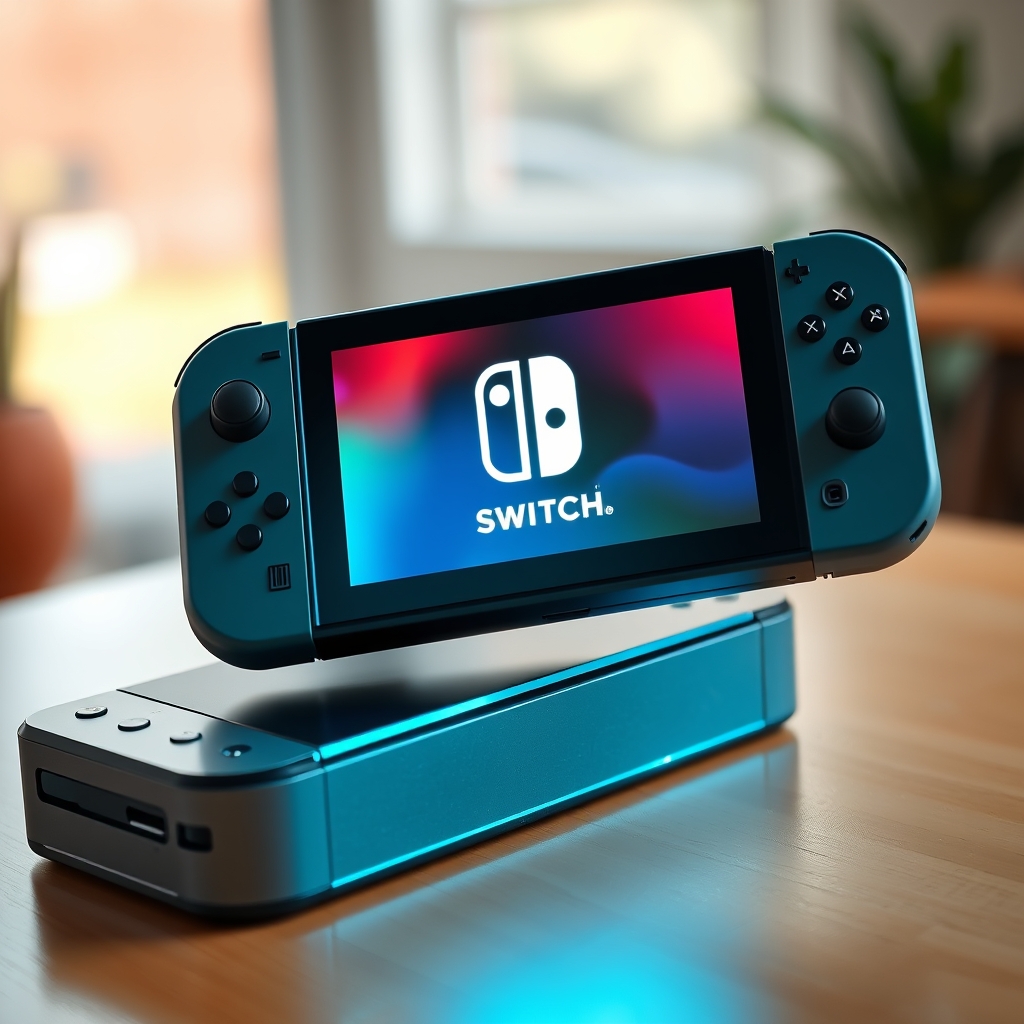
Gamers tracking the nintendo switch virtual game card release date often wonder whether Nintendo plans to introduce a true virtual cartridge system for digital downloads. The concept of a virtual game card promises to bridge the gap between physical media convenience—like selling or lending cartridges— and digital library convenience. However, understanding where Nintendo currently stands requires looking closely at official platform capabilities, system architecture, patent filings, and digital copyright policies.
While physical cartridges remain a staple of the Switch ecosystem, digital purchases account for a massive portion of total game sales. A virtual game card system would fundamentally alter how digital rights management (DRM) operates on Nintendo platforms.
Is There an Official Release Date?
As of right now, Nintendo has not announced a specific nintendo switch virtual game card release date. While Nintendo has not set a formal nintendo switch virtual game card release date, rumor cycles and community discussions continue to speculate on how digital game trading might function across current and next-generation hardware.
Anyone searching for a confirmed nintendo switch virtual game card release date should note that Nintendo currently relies on standard digital licenses rather than transferable virtual cards. Nintendo distributes digital titles through account-bound eShop licenses. Unlike physical game cards that can be swapped directly between handheld consoles, digital licenses remain tied to the purchasing Nintendo Account.
If Nintendo eventually establishes a nintendo switch virtual game card release date, it will likely coincide with broader system software updates or hardware launches rather than a random standalone feature patch.
How Digital Game Sharing Currently Works
To understand why a virtual game card feature is heavily requested, it helps to examine how Nintendo currently handles digital ownership. Currently, Nintendo allows game sharing across consoles using a primary and non-primary system delegation model.
Primary Console Designation
- One Nintendo Switch system is designated as your primary console.
- Any user account on the primary console can play your downloaded digital titles, both online and offline.
Non-Primary Consoles
- You can log into your Nintendo Account on additional Switch consoles.
- You can play your digital library on non-primary consoles, but an active internet connection is required to verify ownership.
- Only the purchasing account can launch the digital title on non-primary hardware; other profiles on that console cannot.
While this mechanism lets families share games across multiple devices, it lacks the flexibility of physical cartridges. Players cannot easily loan a digital game to a friend for a weekend without granting full access to their Nintendo Account credentials.
Technical Clues and Patent Filings
Speculation regarding virtual game cards isn't entirely unfounded. Tech analysts regularly monitor filings submitted to the World Intellectual Property Organization for hints regarding future hardware and digital ecosystem upgrades.
Over the past several years, Nintendo has filed patents related to secondary market digital transfers, temporary license delegation, and cryptographic token tracking for software assets. These patents describe frameworks where a digital game license behaves like a physical asset:
- Temporary Delegation: A primary license holder could temporarily assign a digital game token to another local or online user account.
- License Lockout: While the temporary user holds the token, the original owner's access is suspended, mirroring physical cartridge usage.
- Automatic Return: The virtual card automatically returns to the owner's library after a set expiration period.
While patents prove Nintendo's R&D teams have explored the technology, companies routinely patent concepts that are never implemented commercially. Until an official nintendo switch virtual game card release date is announced by Nintendo, players must rely on the existing primary and secondary console sharing mechanisms.
Physical vs. Virtual Game Cards: Feature Breakdown
To see how a virtual card framework compares to existing formats, consider the following structural comparison:
Industry Challenges Holding Back Virtual Game Cards
If virtual game cards offer so many consumer benefits, why hasn't Nintendo released them yet? Implementing a true virtual card system presents complex commercial and legal hurdles.
Publisher Revenue Protection
Third-party publishers rely heavily on full-price digital sales. Allowing users to digitally re-sell or easily lend virtual cards could potentially erode day-one sales and long-term digital revenues.
Security and Exploitation Risks
Cryptographic asset transfer systems must be entirely immune to duplication glitches and piracy hacks. Nintendo historically takes a conservative approach to network security to prevent unauthorized piracy on custom firmware systems.
Consumer Protection Standards
Digital rights frameworks are subject to regulatory scrutiny across global markets. Groups like the Electronic Frontier Foundation advocate for strong consumer ownership rights, but aligning corporate business models with international digital commerce laws remains complicated.
What Players Should Do in the Meantime
If you want the maximum flexibility that a virtual game card would offer, consider adopting the following practical buying strategies:
- Buy Physical for Single-Player Games: Story-driven single-player games that you plan to finish once and loan to friends are best purchased as physical cartridges.
- Buy Digital for Daily Titles: Multiplayer games, local party titles, and pick-up-and-play games (like Animal Crossing or Super Smash Bros.) benefit from permanent digital installation on your system console.
- Utilize Nintendo Switch Online Game Vouchers: Active Nintendo Switch Online subscribers can purchase two digital game vouchers at a discounted price, reducing the financial barrier of digital titles.
Keep an eye on official announcements directly from Nintendo Support for real-time updates regarding network service changes and next-generation account features.
Related Articles
 Gaming
How to Check If Your Laptop Can Run Any Game (Step-by-Step)
September 3, 2026 Gaming
Is Google Play Games on PC Laggy? Causes and Quick Fixes
September 3, 2026 Gaming