What Does I.T. Stand For in Technology? Complete Guide & Meaning
Technology acronyms are everywhere in workplace chats, tech news, and daily life. If you have ever caught yourself asking what does i t stand for in technology, the short answer is Information Technology.
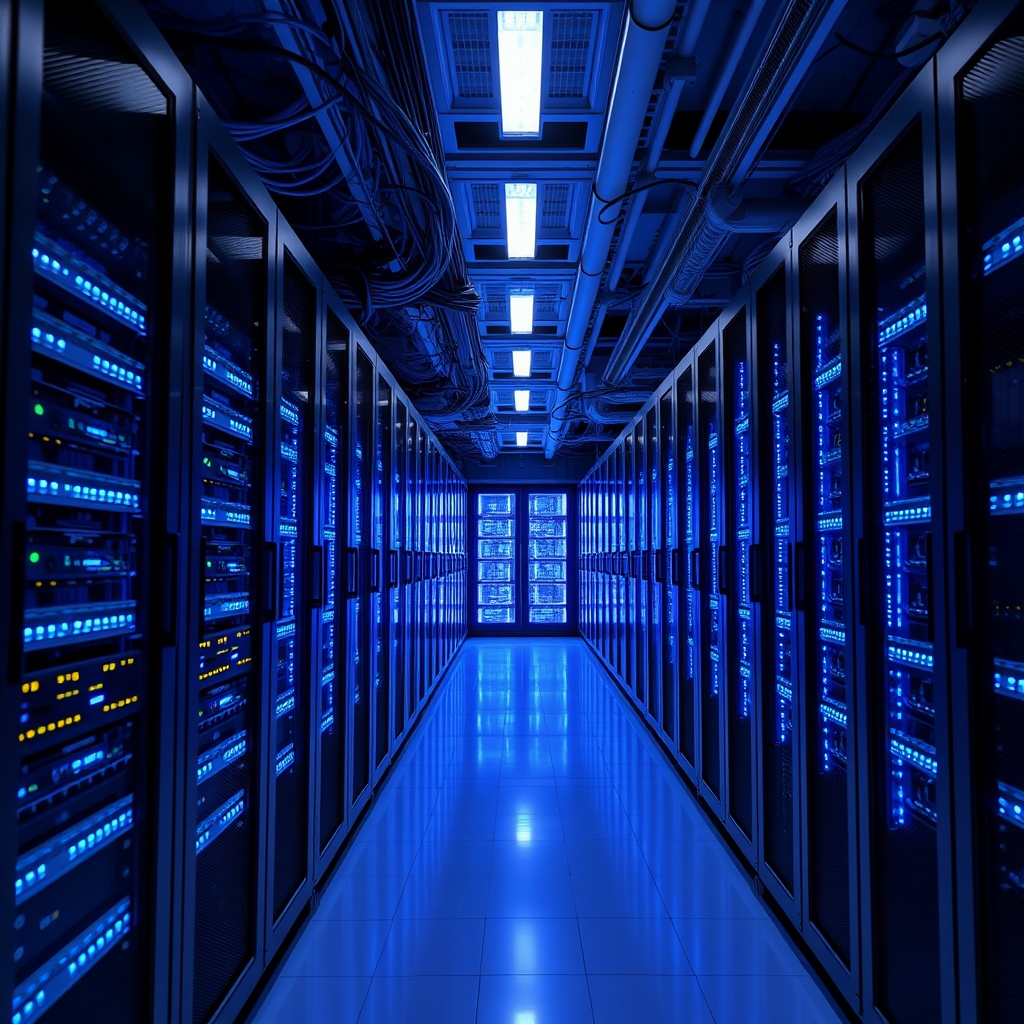
Information Technology encompasses the design, implementation, support, and management of computer-based information systems. It covers both the tangible hardware devices sitting on your office desk and the hidden networks, software databases, and cloud platforms operating behind the scenes.
Understanding this term involves looking at how digital systems process, store, protect, and transmit data across global environments.
Defining Information Technology: The Core Concept
Information Technology refers to the use of computers, storage devices, networking gear, and software to create, process, store, secure, and exchange all forms of electronic data.
When people speak about IT in a business context, they refer to the technological infrastructure that keeps operations running smoothly. This includes server rooms, employee laptops, wireless access points, internal communication systems, and enterprise resource software. The official definitions provided by organizations like the National Institute of Standards and Technology emphasize that IT covers the entire ecosystem of handling data electronically.
While early computing focused primarily on arithmetic calculation, modern Information Technology focuses on communication and data handling. Today, almost every industry relies heavily on IT systems to coordinate supply chains, manage customer service, handle online transactions, and preserve critical records.
What Does I T Stand For in Technology and Why It Matters Today
Understanding what does i t stand for in technology helps put these everyday tools into context. Information Technology is not limited to fixing broken laptops or setting up office printers. It forms the backbone of global commerce, health services, financial markets, and remote communication.
In modern organizations, IT ensures that employees can safely collaborate across distant time zones while protecting commercial secrets. Without structured IT frameworks, digital security would collapse, leaves databases vulnerable, and stall global communications.
Every time you stream video content, access mobile banking, send an encrypted email, or save a document to cloud storage, you rely directly on Information Technology systems.
The Four Essential Pillars of Modern IT Infrastructure
To understand how Information Technology operates, it helps to divide the field into four fundamental categories.
1. Hardware Systems
Hardware represents the physical machinery required to operate digital environments. Key hardware assets include:
- Enterprise servers and data storage arrays
- Desktop computers, laptops, and mobile endpoints
- Routers, switches, and fiber-optic networking cables
- Peripheral devices like security readers and point-of-sale terminals
2. Software Applications
Software consists of the programs and operating instructions that run on physical hardware. IT management covers:
- Operating systems like Linux, Windows, and macOS
- Enterprise Resource Planning (ERP) and Customer Relationship Management (CRM) tools
- Productivity suites and custom business applications
- System utilities and database engine software
3. Networks and Communication Infrastructure
Networks link individual devices into cohesive communication systems. These configurations include local area networks (LANs), wide area networks (WANs), virtual private networks (VPNs), and cloud connectivity pipelines. Networks ensure data moves rapidly and securely between users and central databases.
4. Cybersecurity and Data Governance
Cybersecurity protects data and infrastructure from theft, unauthorized access, and malicious attacks. Data management ensures information remains accurate, compliance-ready, organized, and available when required by authorized staff.
IT vs. Computer Science: Key Differences Explained
People frequently confuse Information Technology with Computer Science, but they address different aspects of computing.
Computer Science focuses heavily on theoretical algorithms, mathematics, computation theory, and writing code to create new applications from scratch. Computer scientists study how computers compute and design fundamental software structures.
Information Technology focuses on practical deployment, system integration, administration, and maintaining those technologies within organizations. IT specialists ensure existing computer systems work reliably for the people using them.
When evaluating company structure, knowing what does i t stand for in technology provides a baseline for understanding how data flows securely across these distinct technical fields.
Major IT Trends Shaping the Landscape in 2026
Information Technology continues to evolve rapidly. Recent advances have shifted how IT departments plan, fund, and manage technical resources.
AI-Driven IT Operations (AIOps)
Modern IT teams leverage machine learning models to monitor system health automatically. AIOps tools analyze network logs, predict hardware failures before they occur, and automatically neutralize common cyber threats without human delay.
Zero-Trust Security Models
With remote and hybrid operations standard across most industries, traditional perimeter security is no longer sufficient. IT infrastructure now relies on zero-trust frameworks where every user, device, and connection request must be verified continuously before accessing network resources.
Edge Computing Infrastructure
Processing data at the edge—closer to IoT sensors, smart machinery, and mobile users—reduces latency and saves bandwidth. Modern IT teams manage distributed edge nodes alongside centralized cloud infrastructure.
Popular Career Paths and Roles in Information Technology
Because Information Technology spans so many areas, career paths within the sector are varied and expanding. For non-technical professionals, asking what does i t stand for in technology is often the first step toward building digital literacy and discovering career opportunities.
- Systems Administrator: Manages daily operations of servers, operating systems, and user accounts.
- Network Architect: Designs, builds, and maintains local and wide-area communication networks.
- Cybersecurity Analyst: Monitors networks for suspicious activity, conducts vulnerability audits, and mitigates security breaches.
- Cloud Solutions Engineer: Migrates organizational assets into cloud environments like AWS, Azure, or Google Cloud and manages cloud infrastructure.
- Database Administrator: Organizes, stores, and protects critical company records using specialized relational database management software.
- IT Support Specialist: Assists non-technical staff with software troubleshooting, computer setups, and technical issue resolution.
Practical IT Tips for Businesses and Organizations
Managing Information Technology requires deliberate planning. These strategy tips help maintain reliable digital operations:
- Standardize Security Protocols: Require multi-factor authentication (MFA) across all corporate accounts and enforce regular password updates.
- Automate Data Backups: Implement the 3-2-1 backup rule—keep three copies of critical data on two different media types, with one copy stored offsite or in a secure cloud bucket.
- Conduct Regular Audits: Frequently review user permissions, active software licenses, and physical assets to prevent security leaks and eliminate extra software costs.
- Train Non-Technical Staff: Human error causes a large portion of security incidents. Regular phishing simulation tests and security awareness workshops keep team members alert.
Frequently Asked Questions
What is the full form of I.T.?
The full form of I.T. is Information Technology. It describes technology systems used to store, retrieve, transmit, and manipulate electronic data.
What is the primary function of an IT department?
An IT department manages an organization's tech infrastructure. This includes keeping networks operational, securing corporate data, providing hardware support, managing cloud resources, and deploying enterprise software.
Is coding required for a career in IT?
Not all IT positions require advanced coding skills. While software engineers rely heavily on programming languages, many IT roles—such as network administration, system support, and hardware engineering—focus more on configuration, troubleshooting, and system management.
Why is Information Technology vital to business operations?
Information Technology streamlines communications, automates repetitive administrative workflows, protects sensitive client data, and enables businesses to deliver products and services globally via online channels.
Summary
Understanding the term Information Technology makes it easier to navigate today's digital landscape. The next time someone asks what does i t stand for in technology, you can explain that it represents the interconnected systems, networks, devices, and software that power global communications and modern commerce.
Related Articles
 AI
AI
Top AI Avatar Tools for Multilingual Voiceovers
August 28, 2026 AI
AI
Search Engines That Don’t Use AI: Top Clean Alternatives
August 28, 2026 AI
AI