
What Does RPG Stand For? Gaming, Military, and Tech Definitions
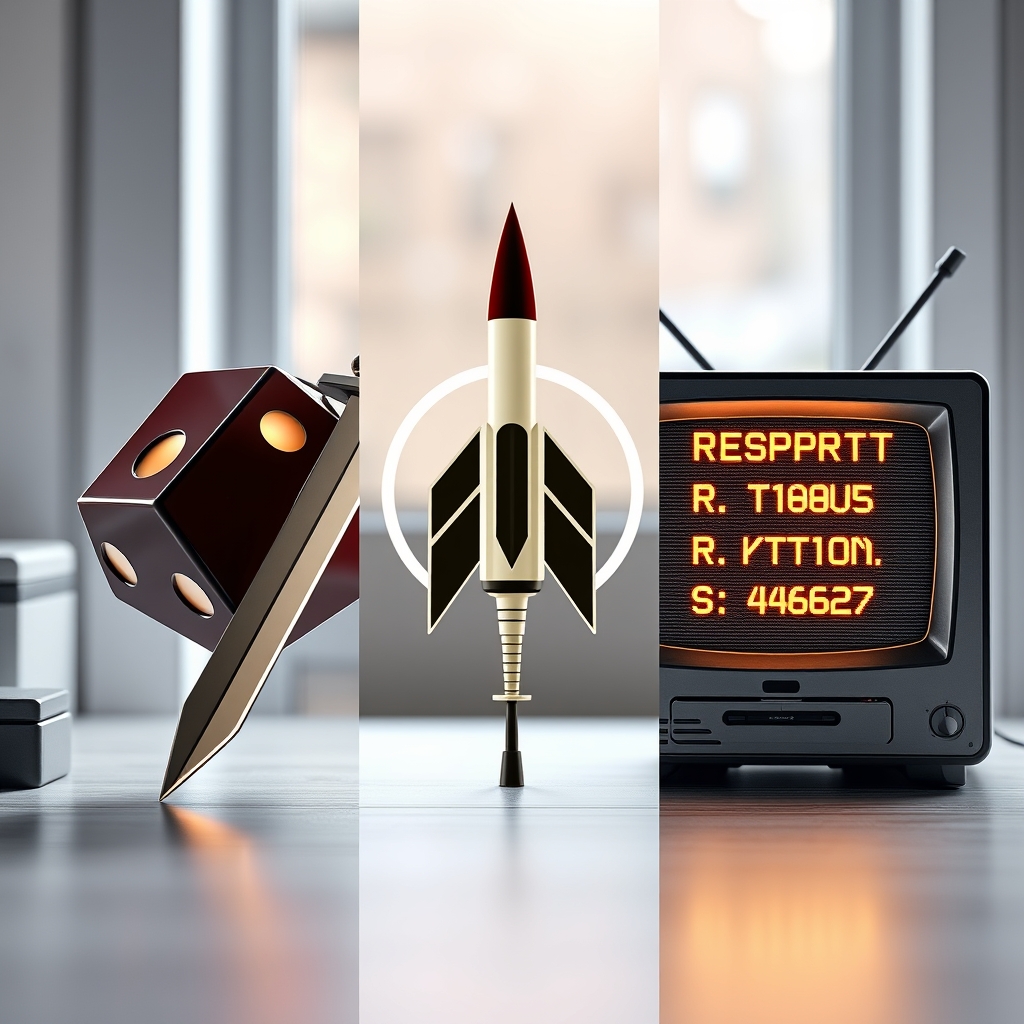
If you have ever encountered the abbreviation in a gaming video, news article, or tech forum, you might wonder about rpg what does it stand for in different contexts. Depending on the setting, RPG can mean something vastly different.
In the vast majority of pop culture and media conversations, RPG stands for Role-Playing Game. However, in defense literature and military history, it stands for Rocket-Propelled Grenade. In enterprise software development, it refers to Report Program Generator, a high-level programming language created by IBM.
Understanding how these three distinct definitions function helps clear up confusion across gaming, military defense, and computer engineering.
The Primary Meaning: Role-Playing Game (RPGs in Gaming)
When people search rpg what does it stand for in entertainment, they are referring to a genre of games where players assume the roles of fictional characters in a structured world.
Rather than relying solely on hand-eye coordination or simple board movement, an RPG focuses on narrative storytelling, character advancement, skill development, and strategic decision-making. The genre is generally split into two main formats: tabletop games and digital video games.
Tabletop RPGs (TTRPGs)
Tabletop role-playing games originated in the early 1970s. Players gather around a physical table (or a virtual tabletop platform) to collaboratively construct a story.
- The Game Master (GM / DM): One person acts as the narrator, referee, and environmental architect (commonly called the Dungeon Master in Dungeons & Dragons). The GM sets the scene, controls non-player characters (NPCs), and presents obstacles.
- Character Sheets: Each player creates a distinct character documented on a character sheet, tracking attributes such as Strength, Intelligence, Agility, health points, and specialized abilities.
- Dice Mechanics: Actions with uncertain outcomes—such as picking a lock, swinging a sword, or persuading a guard—are determined by rolling polyhedral dice combined with character skill modifiers.
Popular TTRPG systems include Dungeons & Dragons, Pathfinder, Call of Cthulhu, and Cyberpunk RED.
Video Game RPGs (Digital RPGs)
With the rise of personal computing and home consoles in the late 1970s and 1980s, developers translated tabletop rules into digital software. Early computer RPGs like Ultima and Wizardry automated complex mathematical calculations behind the scenes, allowing players to focus on exploration and combat.
In digital video games, an RPG gives players direct control over one character or an entire party. Progression is typically marked by earning experience points (XP), leveling up attributes, equipping upgraded weapons or gear, and altering the storyline through dialog choices.
Core Mechanics That Define a Role-Playing Game
Not every game with a playable character is an RPG. To qualify as a true role-playing game, software or tabletop systems usually feature specific core mechanics:
- Character Customization & Growth: Players define or evolve their protagonist's skills, class (e.g., Warrior, Mage, Rogue), and stats over time.
- Experience Points (XP) & Leveling: Completing quests, defeating enemies, or solving puzzles awards experience points. Accumulating enough XP unlocks higher character levels and new skills.
- Inventory & Gear Systems: Managing weapons, armor, potions, and magical items directly impacts a character's effectiveness in combat and exploration.
- Narrative Agency: Player choices influence quest outcomes, faction reputations, companion relationships, and the overall trajectory of the story.
Alternative Meanings of RPG Outside of Gaming
When evaluating rpg what does it stand for outside of leisure activities, two major professional fields dominate the usage of the acronym.
Military Definition: Rocket-Propelled Grenade
In military and defense contexts, asking rpg what does it stand for yields a target-destruction system: the Rocket-Propelled Grenade.
An RPG is an explosive anti-tank weapon fired from the shoulder. It features a reusable launch tube and a rocket-assisted explosive warhead loaded at the muzzle.
- Historical Background: The term originates from the Russian phrase Ruchnoy Protivotankovyy Granatomyot (Handheld Anti-Tank Grenade Launcher). Over time, military organizations back-translated the acronym into English as Rocket-Propelled Grenade.
- Design & Capability: Weapons like the widely manufactured RPG-7 use shaped-charge High-Explosive Anti-Tank (HEAT) warheads to penetrate armored vehicles, fortifications, and light structures at ranges up to several hundred meters.
- Tactical Impact: Due to their low manufacturing costs, ease of operation, and portability, rocket-propelled grenades became standard equipment for infantry units and non-state forces globally from the mid-20th century onward.
Computer Programming: Report Program Generator
In enterprise software engineering and legacy mainframe computing, asking rpg what does it stand for brings up Report Program Generator.
Developed by IBM in 1961 for the IBM 1401 computer, RPG was created as a high-level programming language designed to mirror punch-card processing routines and quickly generate business reports.
- Evolution (RPG II to RPG IV / ILE RPG): RPG evolved from an indicator-driven reporting tool into a powerful procedural and object-capable language used extensively on IBM mid-range hardware (such as the System/36, System/38, AS/400, and modern IBM i servers).
- Modern Usage: Known today as RPG IV (or ILE RPG), the language supports free-form syntax, procedural programming, integration with SQL, and modern web services. It remains vital to financial institutions, manufacturing databases, and supply chain management systems running on IBM i architecture.
Major Subgenres of Role-Playing Video Games
Because gaming is the most common reason people look up the phrase, it is helpful to recognize how digital RPGs have branched into distinct subgenres:
Comparing the Three Definitions of RPG
To see how these three terms contrast side-by-side, refer to the breakdown below:
How to Identify Which RPG Meaning Is Being Used
Determining which meaning is intended usually comes down to analyzing the surrounding context:
- Check for Gaming Terminology: Words like level up, character build, stats, inventory, quests, turn-based, or D&D point directly to Role-Playing Game.
- Look for Military / Tactical Language: References to warheads, anti-tank, infantry weapon, explosive ordnance, or military equipment like the RPG-7 indicate Rocket-Propelled Grenade.
- Notice Enterprise IT & Coding References: Phrases such as IBM i, AS/400, mainframe, DB2, legacy code, or free-form syntax signal Report Program Generator.
Knowing rpg what does it stand for in each domain prevents confusion whether you are discussing video game mechanics, reading international news reports, or reviewing enterprise computing infrastructure.
Related Articles
 Gaming
How to Check If Your Laptop Can Run Any Game (Step-by-Step)
September 3, 2026 Gaming
Is Google Play Games on PC Laggy? Causes and Quick Fixes
September 3, 2026 Gaming